

What Are Wall Studs? A Charlotte Homeowner’s Guide to Finding, Using, and Fixing Studs in Walls
Whether you’re mounting a TV, hanging a mirror, or planning a renovation, one question pops up again and again: What are wall studs? If you live in Charlotte—whether in a house, condo, townhouse, or apartment—understanding studs is key to keeping your walls safe, your fixtures secure, and your projects frustration-free.
In this guide, we’ll break down everything you need to know about wall studs: what they are, how to find them, how far apart they’re spaced, and what to do when they’re damaged. We’ll also share real-world advice from Busy Beaver Handyman Services, Charlotte’s trusted local pros.
🧱 What Is a Wall Stud, Really?
Wall studs are the vertical wooden or metal framing members hidden behind your drywall. They’re the skeleton of your wall—supporting everything from shelves and cabinets to drywall and insulation.
- Wood studs are most common in Charlotte homes, especially in older houses and townhomes.
- Metal studs are often used in commercial buildings or newer apartment complexes.
So when someone asks what are studs in walls, they’re talking about the hidden framework that holds your wall together.
📏 How Many Inches Apart Are Studs in Walls?
In most Charlotte homes, wall studs are spaced 16 inches apart on center. That means from the center of one stud to the center of the next, it’s usually 16 inches. Some walls—especially non-load-bearing ones—may use 24-inch spacing.
Knowing this helps when you’re trying to find a stud in the wall without a stud finder. Just measure from a known stud (like next to a light switch) and go in 16-inch increments.
🔍 How to Find a Stud in a Wall (Without Guessing)
Here’s how Charlotte homeowners can find stud wall locations with confidence:
1. Use a Stud Finder
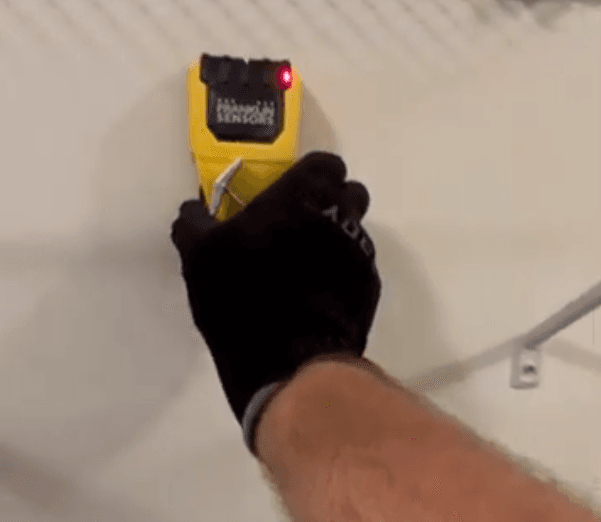
The easiest method. These handheld devices detect density changes behind drywall. Just slide it across the wall until it beeps or lights up.
2. Look for Clues
- Electrical outlets and light switches are usually mounted to studs.
- Nail pops or dimples in drywall may indicate stud locations.
- Baseboards often show where studs were nailed.
3. Knock Test
Tap the wall lightly. Hollow sounds mean no stud; solid thuds suggest you’ve hit one.
4. Measure from a Corner
Start at a corner and measure in 16-inch increments. It’s not foolproof, but it’s a good starting point.
🛠️ Why Studs Matter for Mounting, Hanging, and Safety
If you’re mounting a TV, installing shelves, or hanging heavy mirrors, you need to anchor into a stud. Drywall alone can’t support much weight.
Busy Beaver’s TV mounting service in Charlotte always includes stud location checks. We’ve seen too many DIY attempts fail because someone skipped this step.
🧰 Sistering Wall Studs: What It Means and When You Need It
“Sistering” means attaching a new stud alongside a damaged or weak one. It’s common in renovations or when a stud has been notched, split, or compromised by moisture.
We often perform sistering during closet organizer installations or when prepping walls for heavy loads. It reinforces the structure without tearing out the entire wall.
🧱 Stud Location in Wall: Why It’s Not Always Predictable
Charlotte homes vary—especially between historic bungalows in Plaza Midwood and newer builds in Ballantyne. Stud spacing can shift due to:
- Renovations
- Plumbing or electrical rerouting
- Non-standard framing in condos or apartments
That’s why finding wall stud locations isn’t always as simple as measuring. We recommend using a stud finder or calling a pro if you’re unsure.
🧩 How to Check for Studs in Wall Before You Drill
Before you hang anything heavy:
- Use a stud finder or knock test.
- Confirm with a small pilot hole.
- Avoid areas near plumbing or wiring.
- Use proper anchors if no stud is available.
For mirrors, check out our guide on mirror installation mistakes—stud placement is one of the top issues we fix.
🛋️ Real Charlotte Projects Where Studs Made All the Difference
- TV Mounting in South End: A client tried to mount a 65” TV using drywall anchors. It fell within a week. We remounted it properly using stud anchors and reinforced brackets.
- Shelving in Myers Park: Floating shelves looked great—until they sagged. We reinstalled them using stud-based supports. Now they hold books, plants, and more.
- Furniture Assembly in Dilworth: A wall-mounted desk needed stud support. We found the studs, sistered one for strength, and installed the desk securely. Read more in our furniture assembly nightmares article for similar stories.
🧠 Studs Wall Tips for DIYers in Charlotte
- Always double-check stud location before drilling.
- Use screws, not nails, for heavy fixtures.
- If you’re unsure, send us a photo—we’ll help you plan it right.
Busy Beaver offers free consultations. Just message us on Facebook or visit our site.
🛠️ Related Services That Rely on Studs
- Screen door installation—hinges must anchor into studs or solid framing.
- LED light installation—fixtures often need stud support for junction boxes.
- Outdoor furniture assembly—porch swings and pergolas require secure anchoring into studs or beams.
❓ FAQ: Wall Studs in Charlotte Homes
What are wall studs and why do they matter?
Wall studs are the vertical framing members behind drywall. They support your walls and provide safe anchor points for mounting.
How do I find a stud in the wall?
Use a stud finder, knock test, or measure from a known stud. Look near outlets or switches—they’re usually mounted to studs.
How many inches apart are studs in walls?
Most are 16 inches apart on center. Some may be 24 inches, especially in non-load-bearing walls.
What is sistering wall studs?
Sistering means reinforcing a damaged stud by attaching a new one alongside it. It’s common in repairs and renovations.
Can I hang shelves without finding wall stud?
You can, but it’s risky. Use heavy-duty drywall anchors or toggle bolts—but anchoring into studs is always safer.
🧭 Conclusion: Don’t Guess—Know Your Studs
Wall studs are the unsung heroes of your home’s structure. Whether you’re hanging art, mounting a TV, or installing shelves, knowing what are wall studs—and how to find them—can save you time, money, and headaches.
At Busy Beaver Handyman Services, we help Charlotte homeowners and renters get it right the first time. From stud location to sistering and secure mounting, we’ve got your walls covered.
👉 Ready to start your project? Contact us today or message us on Facebook for a free consultation. We’ll help you find your studs—and make sure your fixtures stay put.
Add a Comment