
Toilet Leak Test: A Charlotte Homeowner’s Guide to Catching That Sneaky Drip
🚽 Let’s Talk Toilets (Yep, We’re Going There)
Ever walk past your bathroom and hear the toilet running—even though nobody’s been in there for hours? Happens all the time. Especially in older homes around Plaza Midwood or those 90s townhomes out in Steele Creek.
Here’s the thing: toilets leak. Quietly. Constantly. And unless you’re paying attention, you might not notice until your water bill jumps or your floor starts feeling a little soft around the base.
The good news? You can check it yourself. No tools, no plumber, no drama. Just grab some food coloring and give your toilet a quick test. It takes five minutes, tops. And if you catch a leak early, you’ll save yourself a whole lot of money—and maybe a repair down the line
🧪 What’s a Toilet Leak Test?
It’s exactly what it sounds like—a way to check if water’s sneaking from the tank into the bowl when it shouldn’t be. Most folks use the toilet dye test, which involves adding food coloring to the tank and waiting to see if it shows up in the bowl. If it does, bingo: you’ve got a leak.
No need to call a plumber just yet. This is one of those rare home maintenance tasks that’s cheap, fast, and actually kind of satisfying.
Here’s how to check toilet for leaks using the food coloring toilet leak test:
- Pop the lid off the tank.
- Drop in 5–10 drops of food coloring. Blue works best, but red’s fine too.
- Wait about 20 minutes. Don’t flush.
- Peek in the bowl. If the water’s tinted, you’ve got a leak
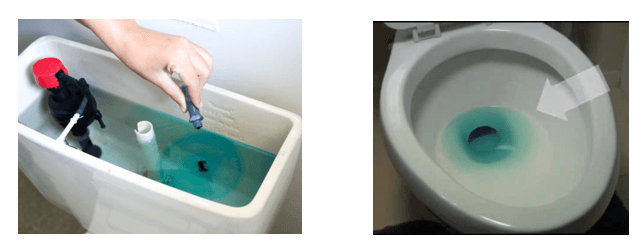
📸 Image suggestion: A close-up of a toilet tank with blue food coloring added—ALT text: “Toilet leak test using food coloring in Charlotte home.
🏠 Why Charlotte Homes Are Especially Prone to Toilet Leaks
Charlotte’s got a mix of old and new when it comes to housing. You’ve got historic homes in Myers Park with original plumbing, sleek apartments in Uptown with low-flow toilets, and everything in between.
Older toilets weren’t built for today’s water efficiency standards. And newer ones? They’re more sensitive to wear and tear. Add in our humid climate, hard water, and seasonal shifts—and you’ve got a recipe for worn-out seals, cracked valves, and silent leaks.
That’s why testing toilet leak issues regularly is smart. It’s not just about saving water—it’s about protecting your home and your wallet.
💧 Signs You’ve Got a Leaky Toilet (Even If It Looks Fine)
Not every leak makes a mess. Some just hum along quietly, wasting gallons of water a day. Here’s how to spot them:
- You hear water running… but no one’s flushed.
- Your toilet refills randomly (like it’s haunted).
- Your water bill’s creeping up for no clear reason.
- There’s a faint stain or dampness near the base.
- You’ve got an older toilet that’s seen better days.
If any of that sounds familiar, it’s time to test toilet performance with a dye test for leaky toilet issues.
🛠️ What Causes Toilet Leaks?
Let’s break it down. Most toilet leaks come from one of these:
Worn Flapper Valve
This little rubber piece at the bottom of the tank can degrade over time—especially with hard water. It’s the #1 cause of silent leaks.
Faulty Fill Valve
If your toilet keeps running, the fill valve might be misadjusted or damaged.
Cracked Tank or Bowl
Hairline cracks can cause slow leaks that are hard to spot without a toilet leak dye test.
Loose Handle or Chain
If the chain is too tight or the handle sticks, it can prevent the flapper from sealing properly.
🧰 DIY Fixes vs. Calling a Pro
When You Can DIY
- Replacing a flapper valve (under $10)
- Adjusting the fill valve
- Cleaning mineral buildup
If you’re handy and have a few tools, these fixes are totally doable. But if you’ve done the dye test for toilet leaks and still hear running water—or you’re just not comfortable messing with plumbing—it’s time to call in the pros.
When to Call Busy Beaver Handyman Services
- You’ve confirmed a leak with the toilet leak test
- Your toilet’s older than 10 years
- You want a full inspection of all bathroom fixtures
- You’d rather not risk a DIY disaster
We’ve helped folks all over Charlotte—from Dilworth to University City—fix leaky toilets, install water-saving fixtures, and even upgrade to smart toilets. We explain everything clearly, give you options, and never upsell what you don’t need.
🧼 Eco-Friendly Benefits of Toilet Leak Detection
Toilet leaks waste water. Period. Even a small leak can waste up to 200 gallons a day. That’s bad for your wallet and the environment.
By testing toilet leak issues regularly, you’re:
- Conserving water
- Reducing strain on Charlotte’s water infrastructure
- Saving money on utilities
- Extending the life of your toilet
It’s a win-win. And it only takes a few minutes.
🧠 How Often Should You Test Toilet for Leaks?
We recommend doing a toilet leak test every 6–12 months, especially if:
- You’ve just moved in
- You notice water bill spikes
- You hear phantom flushes
- You live in an older home
It’s also smart to test before listing your home for sale or renting it out. A simple dye test toilet check can prevent last-minute surprises during inspections.
🧭 Related Services You Might Need
If you’re already checking for toilet leaks, you might want to consider:
- Screen door installation for better airflow
- Mirror installation to upgrade your bathroom
- Shelving installation for better storage
- Furniture assembly if you’re settling into a new place
We’re here to help with all the little things that make your home feel complete.
❓ FAQ: Toilet Leak Testing in Charlotte
How do I check toilet for leaks without tools?
Use the food coloring toilet leak test. Just add dye to the tank and wait—if it shows up in the bowl, you’ve got a leak.
What’s the best dye test for toilet leaks?
Food coloring works great, but you can also use dye tablets sold at hardware stores. Both methods help detect silent leaks.
How often should I do a toilet leak dye test?
Every 6–12 months, or whenever you hear running water or see a spike in your water bill.
Can a toilet leak cause floor damage?
Yes. If the leak is at the base, it can damage flooring and subflooring—especially in older Charlotte homes.
Should I call a handyman or a plumber?
For basic toilet testing and repairs, a handyman like Busy Beaver is perfect. If the issue involves sewer lines or major plumbing, we’ll refer you to a trusted local plumber.
🧾 Final Thoughts & Call to Action
Toilet leaks are sneaky, silent, and surprisingly expensive. But with a simple toilet leak test, you can catch the problem early and avoid bigger headaches. Whether you’re in a cozy bungalow in Elizabeth or a sleek apartment in SouthPark, Busy Beaver Handyman Services is here to help.
We’re local, friendly, and always ready to explain things in plain English. No jargon. No pressure. Just honest help.
📞 Ready to test your toilet or fix a leak?
👉 Contact us today for a free consultation.
📘 Follow us on Facebook: facebook.com/BusyBeaverHandymanService
📚 Want more tips? Check out our guide on outdoor furniture assembly