

Caulking vs Grout: What Charlotte Homeowners Should Actually Know
Let’s be honest — if you’ve ever stood in the aisle at Lowe’s staring at tubes of caulk and bags of grout, wondering which one you need… you’re not alone. Happens all the time. And while they might look kinda similar, they’re built for totally different jobs.
Here’s the quick version:
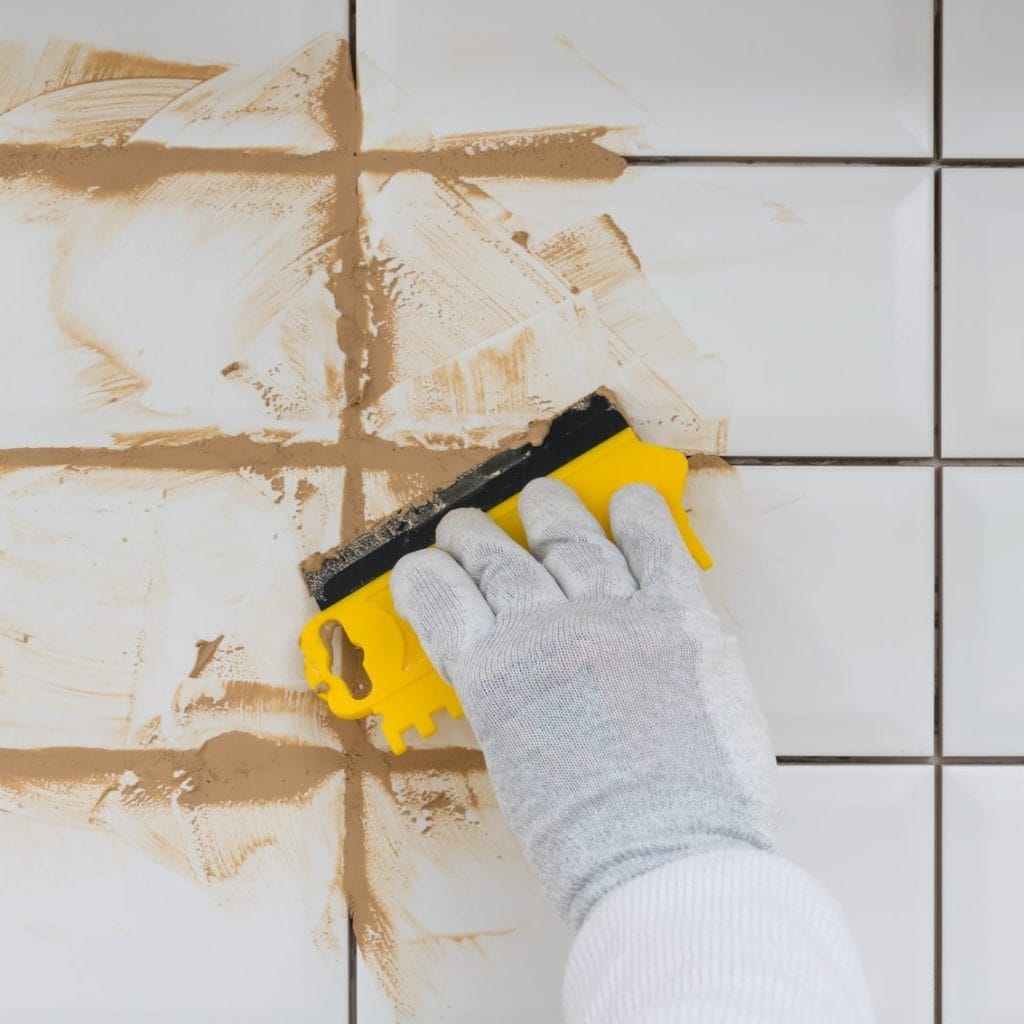
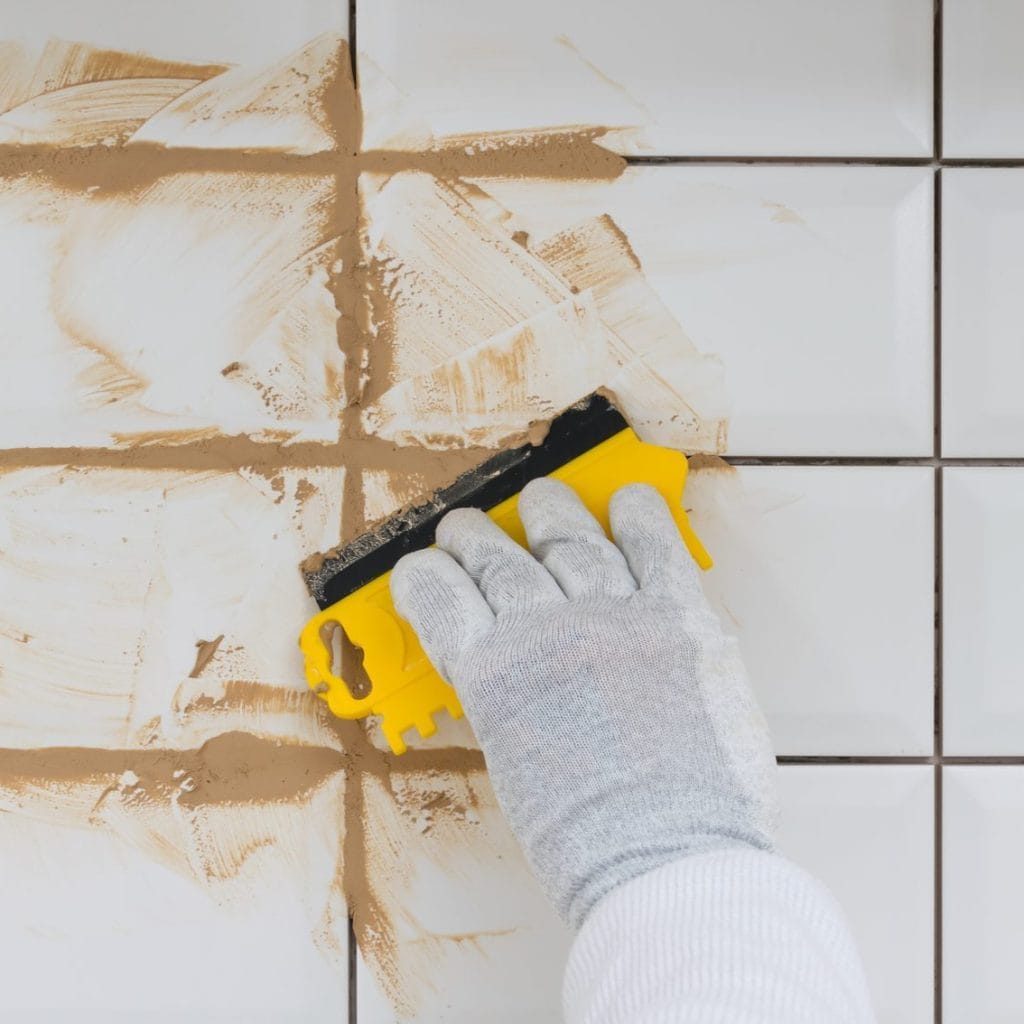
- Grout is stiff. It fills the gaps between tiles and stays put.
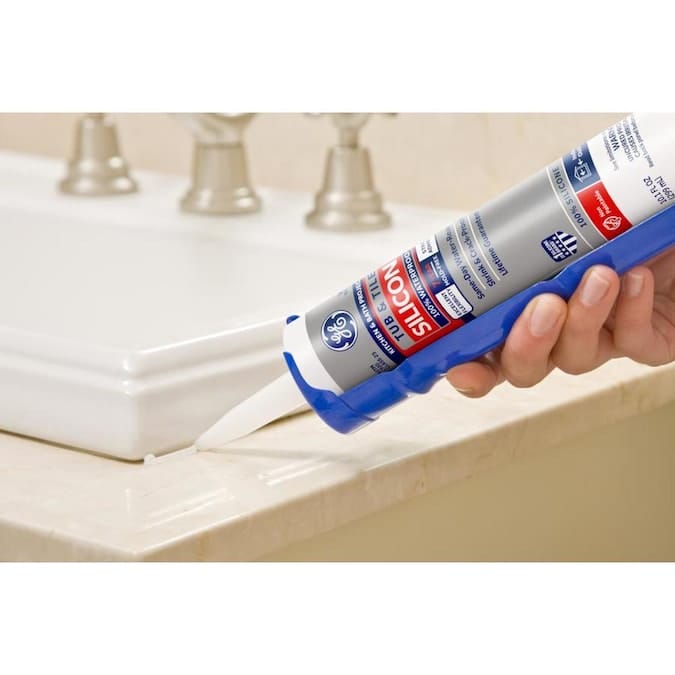
- Caulk is flexible. It seals joints where things move — like where your tub meets the wall.
We see folks mix these up constantly, especially in older homes around Plaza Midwood or those newer townhomes popping up in South End. Using grout where caulk should go? That’s a recipe for cracks and water damage. And trust me, mold doesn’t care if it’s a fancy condo or a 1950s ranch.
Cold Weather Caulking in Charlotte: What Actually Works
Charlotte winters aren’t brutal, but they’re sneaky. One week it’s 65°, next week it’s freezing. If you’re doing exterior caulking in cold weather, you’ve gotta use the right stuff — otherwise it won’t stick, and you’ll be redoing it come spring.
We’ve had great luck with:
- GE Max Shield — sticks even when it’s chilly
- OSI Quad Max — solid for windows and doors
- DAP Dynaflex Ultra — paintable and flexible, great for siding
If you’re sealing up drafty trim or patching around a screen door, don’t just grab whatever’s on sale. And if you’re not sure, shoot us a photo — we’ll tell you straight.
Real Talk: Sanded Caulk vs Grout
This one trips people up. Sanded caulk looks like grout, feels like grout… but it’s not grout. It’s caulk with sand mixed in to match the texture. Still flexible. Still paintable. Great for corners or spots where tiles meet tubs.
Grout? That stuff dries hard. It’s meant to hold tiles in place, not flex. So if you’re sealing a backsplash or fixing up a shower, knowing the difference between caulking and grouting matters — especially if you want it to last.
Caulk Versus Grout in Kitchens and Bathrooms
Let’s walk through a few real-life examples:
- Around your kitchen sink? Use caulk.
- Between backsplash tiles? Grout.
- Where the tub meets the tile wall? Caulk.
- Between floor tiles? Grout.
We’ve seen cracked grout lines in SouthPark condos and moldy caulk in University City rentals. Doesn’t matter where you live — the rules stay the same. If you’re not sure, send us a pic. We’ll take a look and point you in the right direction.
Grouting Caulk: Is That Even a Thing?
Technically, yeah — but it’s not a replacement for real grout. “Grouting caulk” usually means sanded caulk used to patch small areas where grout’s chipped or missing. It’s flexible and easier to apply, but it won’t hold up like the real deal in high-traffic spots.
We’ve seen folks try it in showers and kitchen floors, and it works… for a while. But if you want something that lasts, go with proper grout and seal it right. We talk more about adhesive choices in our guide to mirror installation mistakes — same principle applies.
Best Paintable Exterior Caulking for Charlotte Homes
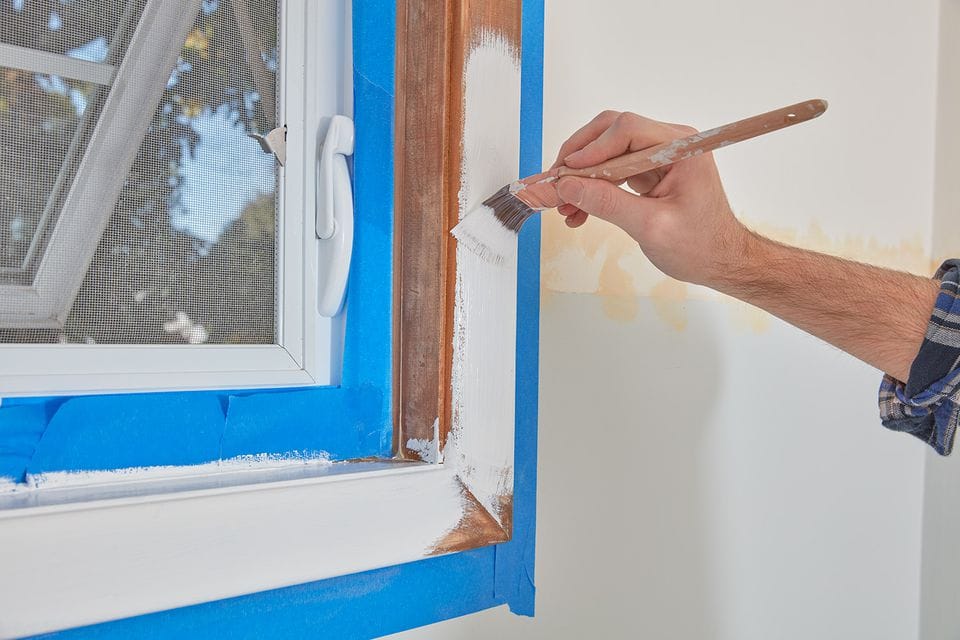
If you’re sealing up trim, siding, or outdoor fixtures, paintable caulk is your friend. But not all caulks take paint well — and some crack or peel when the weather shifts.
Here’s what we recommend:
- DAP Dynaflex Ultra — smooth finish, holds paint like a champ
- GE Max Shield — great adhesion, even in cold snaps
- OSI Quad Max — tough and weather-resistant
These work well across Charlotte’s seasons — humid summers, chilly winters, and everything in between. If you’re touching up around windows or sealing a screen door, these are solid picks. Need help choosing? Check out our screen door installation guide — we cover sealing tips there too.
Common Caulking Mistakes We See Around Charlotte
Here’s what we fix most often:
- ❌ Grout used in tub corners (it cracks every time)
- ❌ Caulk applied in freezing temps without proper prep
- ❌ Non-paintable caulk on visible trim — looks messy
- ❌ Skipping surface cleaning before applying caulk
If you’ve made one of these mistakes, don’t sweat it. We’ve seen it all — from DIY disasters in NoDa to rushed flips in Steele Creek. Just reach out. We’ll help you fix it without judgment.
FAQ: Caulking vs Grout in Charlotte Homes
1. What’s the main difference between caulking and grouting?
Grout is rigid and used between tiles. Caulk is flexible and seals joints where movement happens.
2. Can I use caulk instead of grout?
Only for small touch-ups. Caulk isn’t strong enough to replace grout in large tile areas.
3. What’s the best exterior caulking for cold weather?
GE Max Shield and OSI Quad Max are great picks. Look for products labeled “cold weather” or “all-season.”
4. Is sanded caulk the same as grout?
Nope. Sanded caulk mimics grout texture but stays flexible. Grout hardens and doesn’t flex.
5. Can I paint over exterior caulk?
Yes — but only if it’s labeled “paintable.” DAP Dynaflex Ultra is one of our favorites
Wrapping It Up: Caulking vs Grout Doesn’t Have to Be Confusing
If you’re still unsure whether to grab grout or caulk, don’t worry — you’re not the only one. It’s a common mix-up, and it’s easy to fix once you know what each one’s for.
At Busy Beaver Handyman Services, we don’t just patch things up — we explain them. We want you to feel confident in your home repairs, whether you’re sealing a shower, fixing a backsplash, or prepping for winter.
📞 Ready to tackle your next project? Contact us today, message us on Facebook, or check out our other guides like outdoor furniture assembly and TV mounting in Charlotte. We offer free consultations and honest advice — no pressure, no upsells.